Fire Sprinkler System Installation
Get a Free
Quick Solution of fire


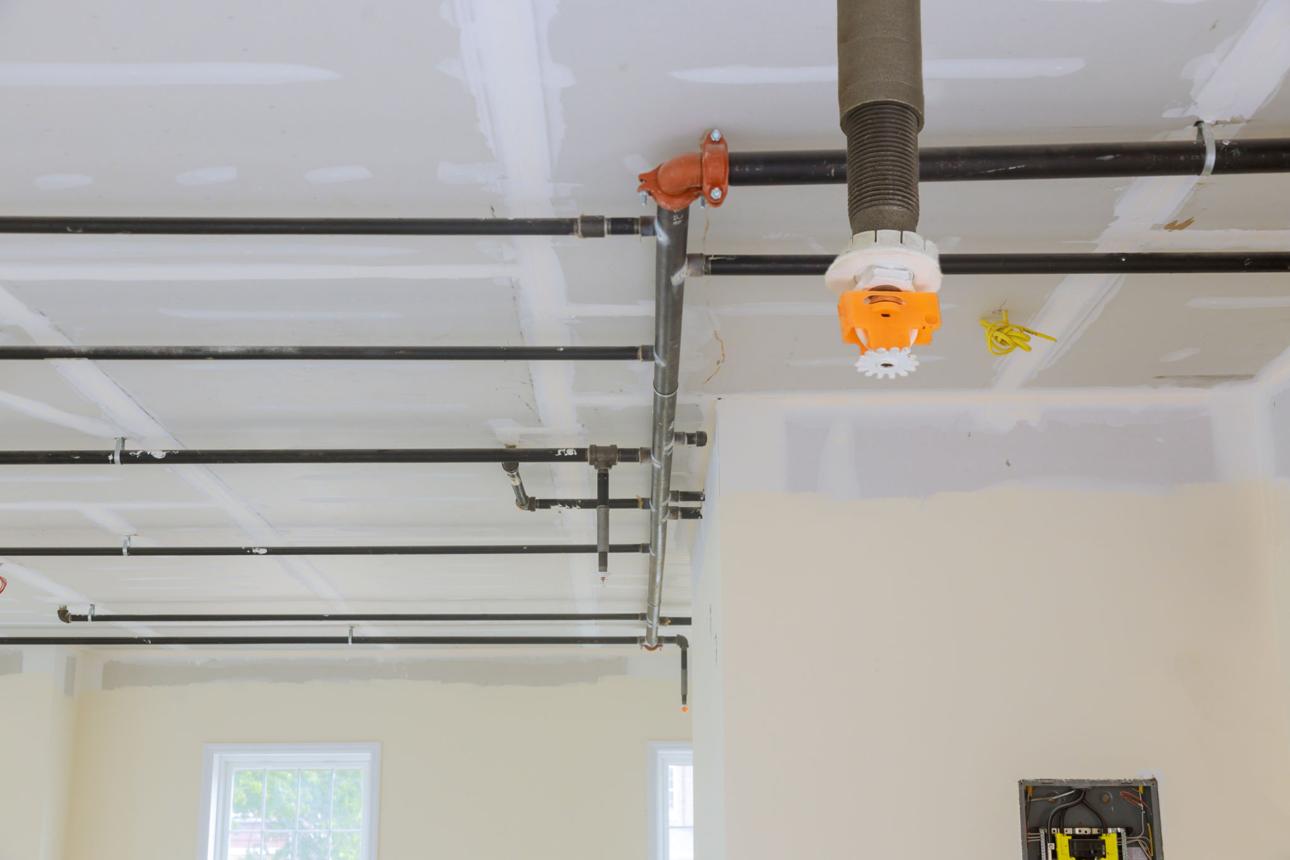
Fire Sprinkler System Installation
A Fire Sprinkler System is an automatic fire protection system that detects heat and releases water instantly to control or extinguish fire. It is one of the most effective and widely used fire safety systems in malls, offices, hotels, factories, and residential buildings.
Fire sprinklers operate through heat-sensitive components that activate only when a specific temperature is reached, ensuring targeted response without unnecessary water discharge. This makes them both efficient and cost-effective for long-term fire safety.
Our fire sprinkler system installation services are carefully planned and executed to meet industry standards and site-specific requirements. From design to final commissioning, we ensure every component is optimized for maximum performance and reliability.
Types of Fire Sprinkler Systems
Wet Pipe System
- Pipes always filled with water
- Quick response time
- Most commonly used system
Dry Pipe System
- Pipes filled with air; water released when activated
- Suitable for cold environments
Foam (AFFF) Extinguisher
- Effective for flammable liquids (petrol, diesel)
- Common in industrial areas
Pre-Action System
- Requires two triggers (detector + sprinkler)
- Used in data centers, server rooms
Deluge System
- All sprinklers open at once
- Used in high-risk areas (chemical plants, fuel storage)
Key Components
Sprinkler Heads
Activate when temperature rises
Piping Network
Distributes water
Control Valves
Regulate water flow
Alarm Valve
Triggers alarm when system activates
Fire Pump
Maintains pressure
Water Storage Tank
Dedicated fire water supply
Installation Process
Site Survey & Design
Assess building layout & hazard classification
Decide sprinkler spacing and coverage
Pipe Network Installation
Install overhead piping system
Ensure proper slope & pressure design
Sprinkler Head Placement
Ceiling-mounted at calculated intervals
Maintain obstruction-free coverage
Valve & Pump Setup
Install alarm valve, control valves, and pump system
Install alarm valve, control valves, and pump system
Testing & Commissioning
Hydrostatic pressure testing
Flow test and alarm check
Final certification
Standards & Compliance (India)
IS 15105 – Sprinkler system installation code
NBC (National Building Code) guidelines
Mandatory for fire safety approval in large buildings
Benefits of Fire Sprinkler System
Automatic fire suppression
Minimizes fire damage
Maintains safety compliance
Reduces risk to life
24/7 protection even without human intervention
Pro Tips
- Use approved sprinkler heads (UL/FM certified)
- Maintain proper spacing as per design norms
- Conduct regular inspection & maintenance
- Never block or paint sprinkler heads
How often should a fire extinguisher be refilled?
Fire extinguishers should be refilled immediately after use and inspected regularly. Even if unused, most extinguishers require refilling or servicing every 1–3 years, depending on type and manufacturer guidelines.
Why is refilling a fire extinguisher important?
Refilling ensures that the extinguisher is fully charged and ready to function effectively during an emergency, providing reliable fire protection.
Can all types of fire extinguishers be refilled?
Most fire extinguishers can be refilled, including ABC, CO₂, and water-based types. However, some disposable extinguishers are not designed for refilling and must be replaced.
What happens during the refilling process?
The process includes inspection, discharge of remaining contents, internal cleaning, refilling with the correct agent, pressurizing, leak testing, and proper certification.
How do I know if my fire extinguisher needs refilling?
Signs include low pressure gauge reading, visible damage, leakage, or if the extinguisher has been used—even partially.